
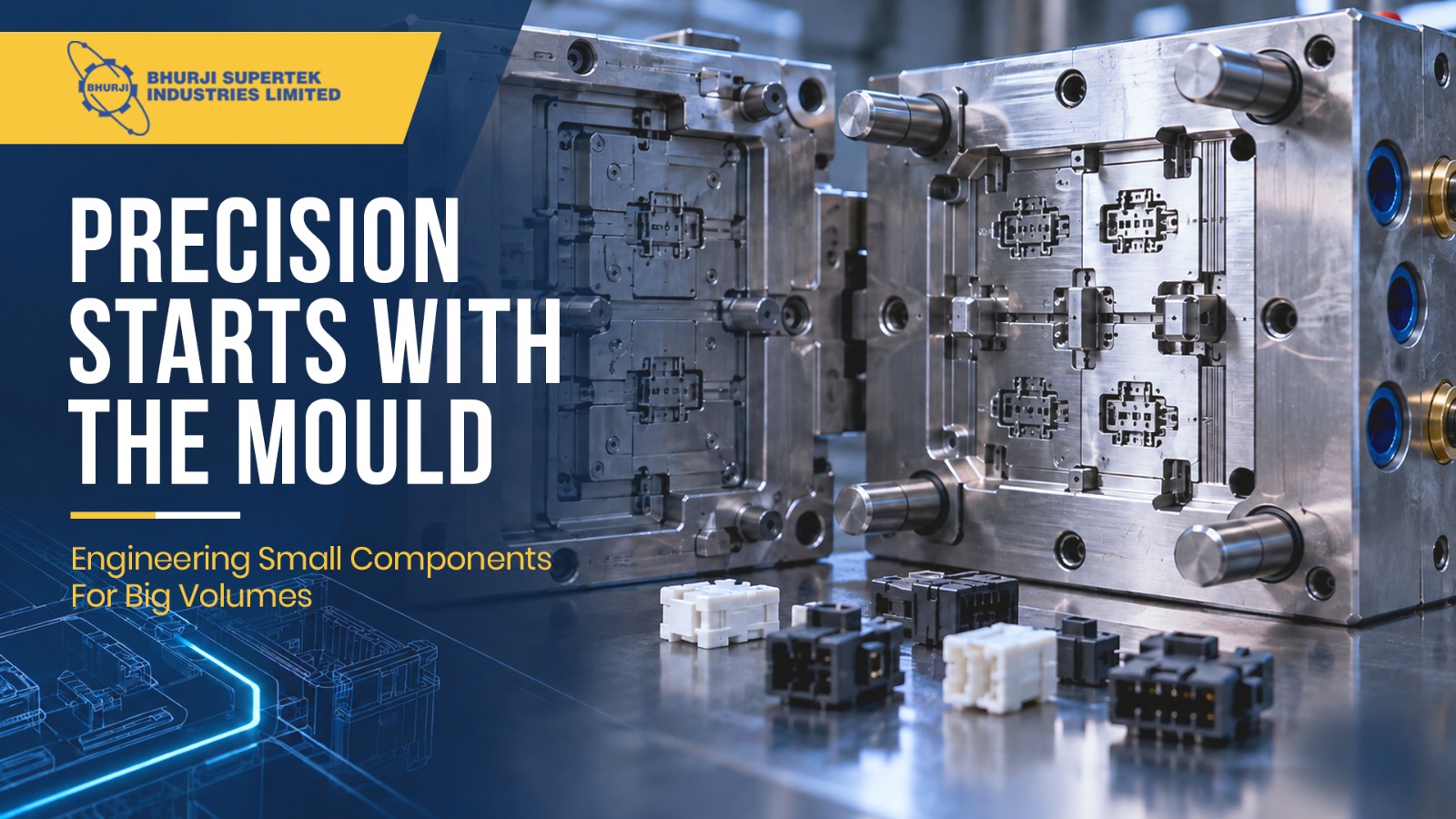
Mould Design for Connectors and Small Precision Components
Connectors may be small, but the components that enable electrical, electronic and electromechanical connections often demand a high level of dimensional accuracy and manufacturing consistency. From automotive electronics and appliances to industrial equipment and consumer products, connectors and other small precision components are typically designed with intricate geometries, tight mating interfaces and functional feature
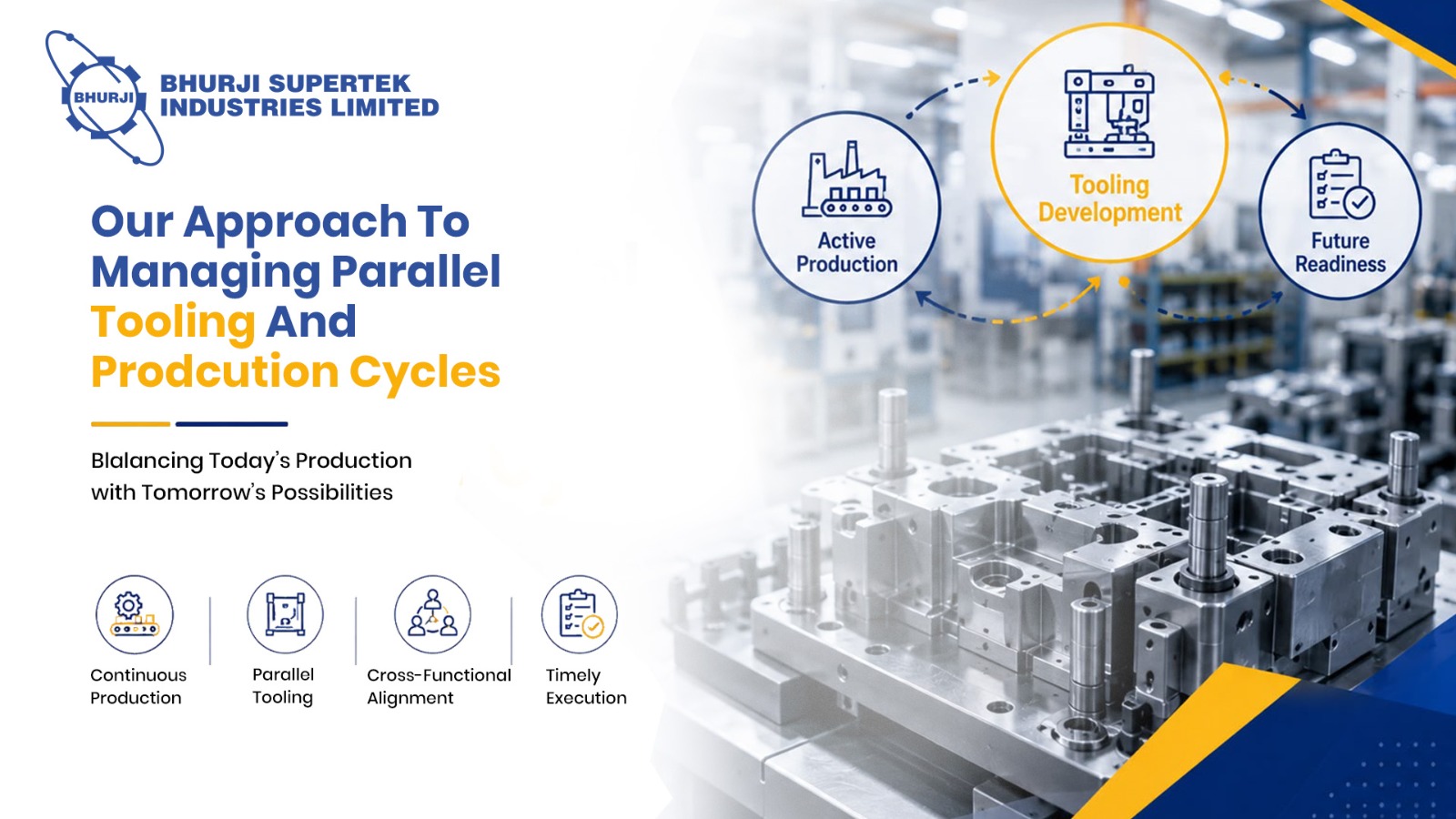
Our Approach to Managing Parallel Tooling and Production Cycles
In manufacturing, new product development and ongoing production are often viewed as separate activities. In reality, they rarely operate independently. For most established OEM manufacturers, production never pauses to accommodate development. Existing programs continue to serve customers while new products, engineering changes, tooling projects, and future manufacturing requirements are simultaneously moving through their
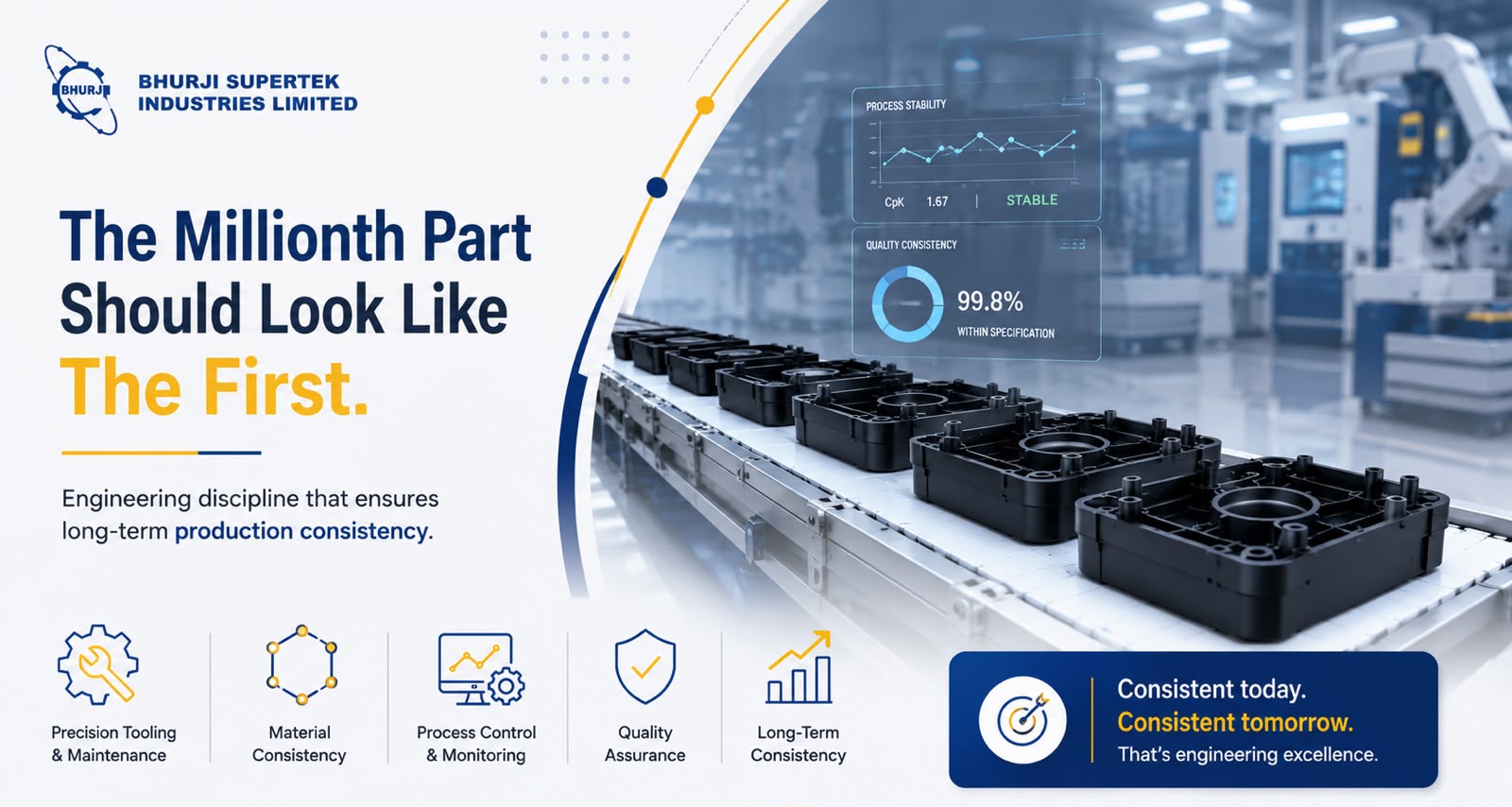
Why Your Plastic Component Looks Different in Month 8 Than It Did in Month 1?
Understanding the Engineering Factors Behind Long-Term Production Consistency in OEM Manufacturing The first production sample often receives the greatest attention during product development. Dimensions are verified. Surface finish is inspected. Assembly compatibility is validated. Functional performance is confirmed. Once the component successfully passes validation, it is easy to assume that production consistency will na
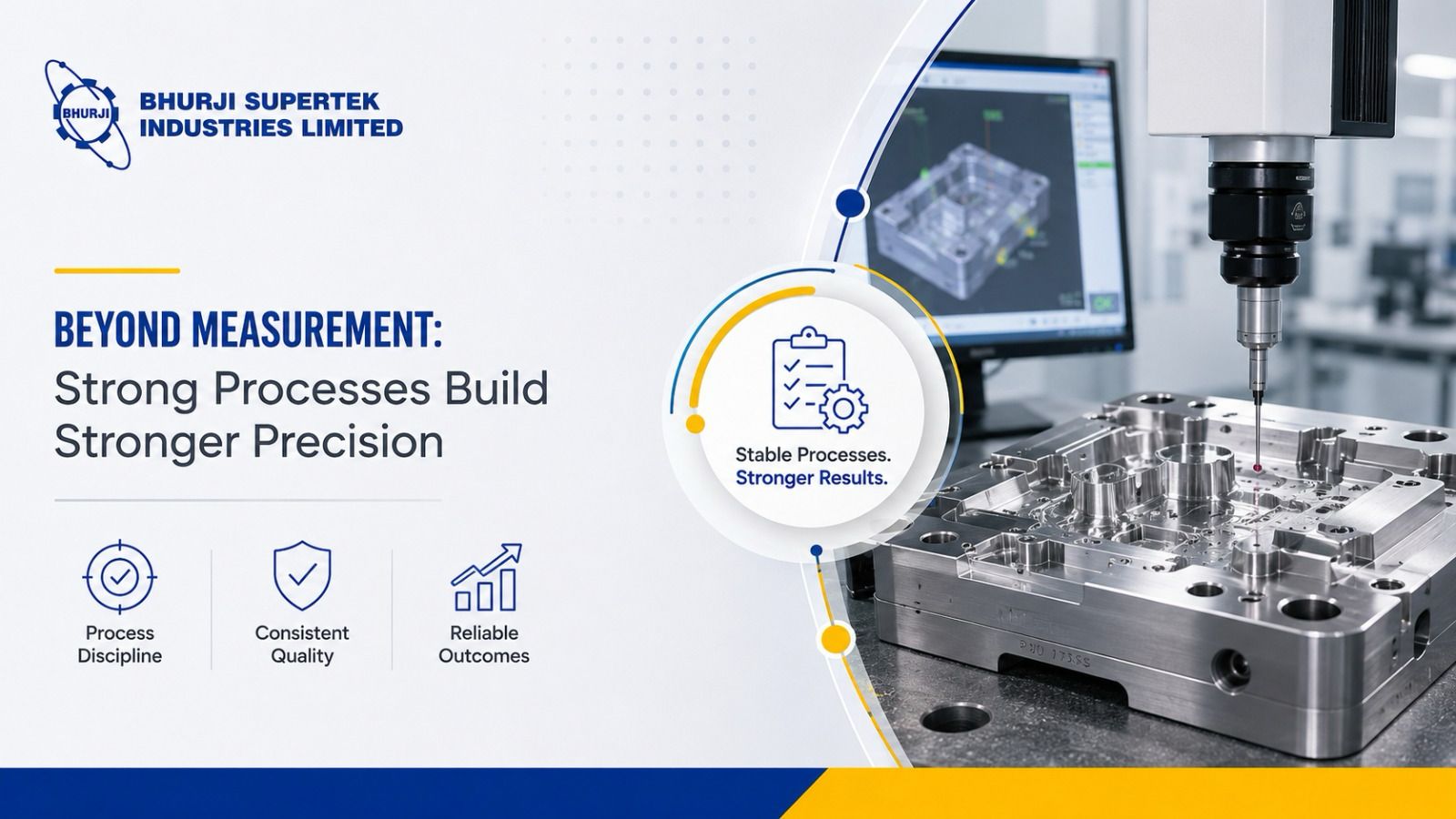
Why Measurement Systems Are Only as Strong as the Processes Behind Them
In precision tooling and mould manufacturing, measurement systems are often treated as the ultimate assurance of quality. High-end CMMs, vision inspection systems, laser scanners, and digital metrology platforms are expected to validate dimensional accuracy down to microns. But experienced manufacturers understand a critical reality: A measurement system does not create precision. It only reveals the condition […

Why Small Deviations Matter More Than They Appear
In precision manufacturing, success is rarely defined by what is visibly wrong. More often, it is shaped by what appears almost right. A fraction of a millimeter. A slight temperature variation. A marginal inconsistency in cycle time. Individually, these may seem negligible. But in high-performance manufacturing environments—especially in tooling, die & moulds, and injection moulding—small […]
What to Evaluate in a Mould Beyond Cost and Lead Time
Introduction In the procurement of injection moulds, decision-making is often driven by two visible parameters: cost and lead time. While these are important from a budgeting and planning perspective, they rarely determine how a mould will perform in real production conditions. For manufacturers operating in high-volume environments, the true impact of a mould is reflected […]
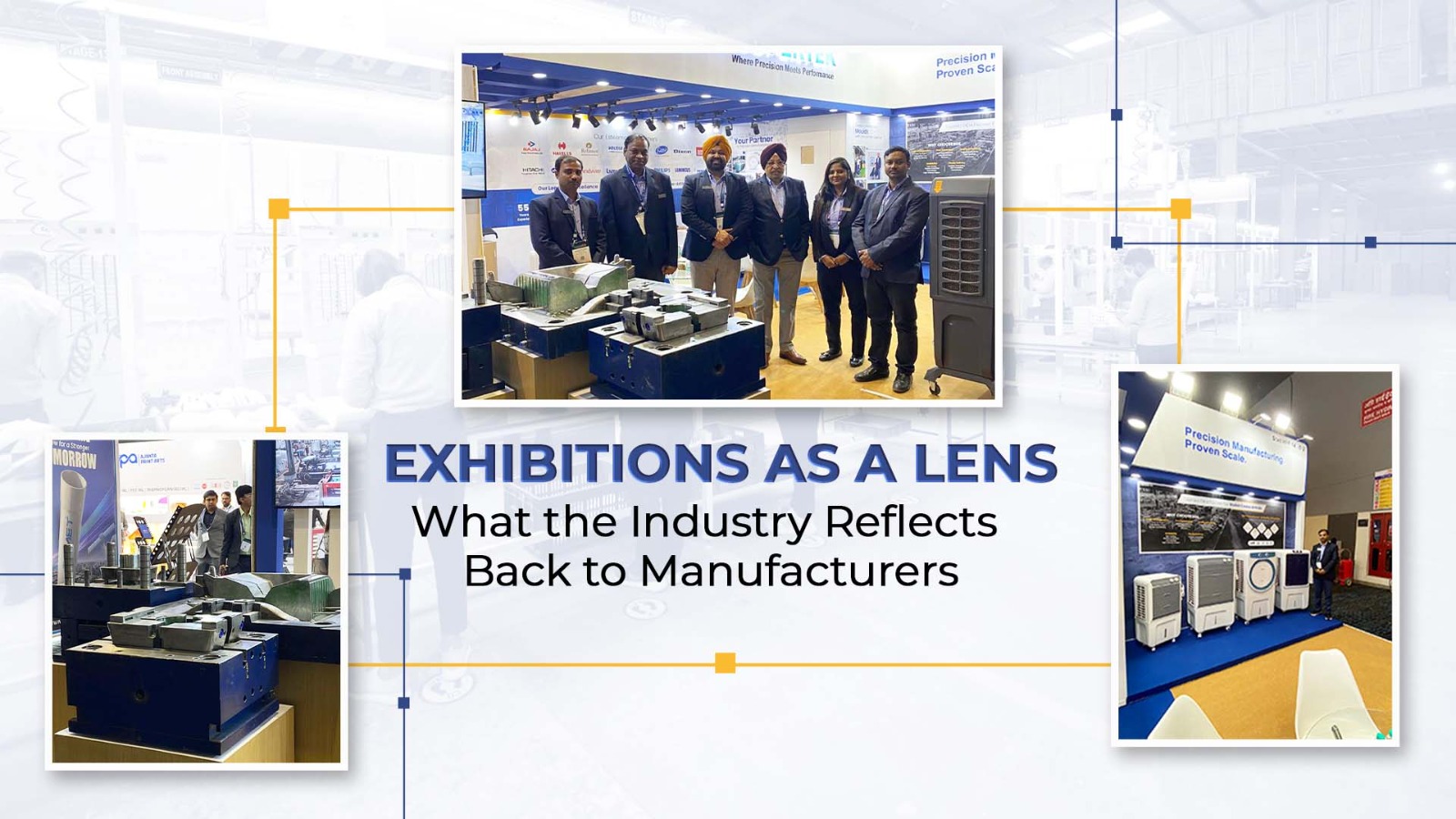
Exhibitions as a Mirror: What the Industry Reflects Back to Serious Manufacturers
Every exhibition feels different.Not because the venue changes. Not because the industry shifts dramatically in a fewmonths. But because each participation reveals something new — about the market, aboutcompetition, and often, about ourselves.I have always viewed exhibitions as mirrors.They reflect what the industry values.They reflect where expectations are rising.And sometimes, they reflect gaps that need […]